VoiceAdapt
Adaptive Speech Training for Older Adults with Aphasia
Advances in digital technology development for aphasia rehabilitation offer hope for those affected, even though an aging society increases the likelihood of strokes. The VoiceAdapt project aims to empower older people with aphasia to achieve more long-term improvements by enhancing communication skills and activities. Innovative and language-sensitive technologies are used to provide application-based support and training for people with aphasia. The developed system enables detection and adaptation to impaired language abilities, which are typical signs and symptoms of aphasia. At the core of the application is an intelligent personalization and adaptation logic that uses data from various sources (speech training software, speech and interaction data). This data is used to dynamically adapt (a) the software interface itself and (b) the software’s interaction logic with respect to the users’ mental and cognitive states. Continuous involvement of those affected, caregivers, and medical experts during development is ensured. A control group study with people with aphasia is being conducted to validate the effect of the developed adaptive training software. Linguistic abilities, communication behavior, and quality of life are being measured.
- Funders European Union Joint Programming Initiative 'More Years, Better Lives' provided by the BMBF
- Funding amount 256k Euro
- Duration 2018–2021 (36 months)
Funding


Partners




Team
- Prof. Dr.-Ing. Jan-Niklas Voigt-Antons
Project Lead
Inside the application
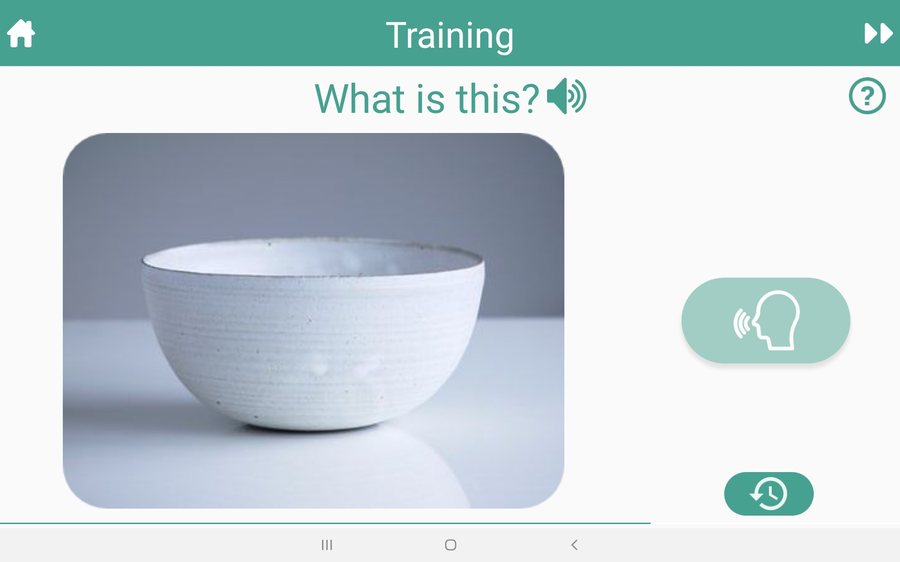
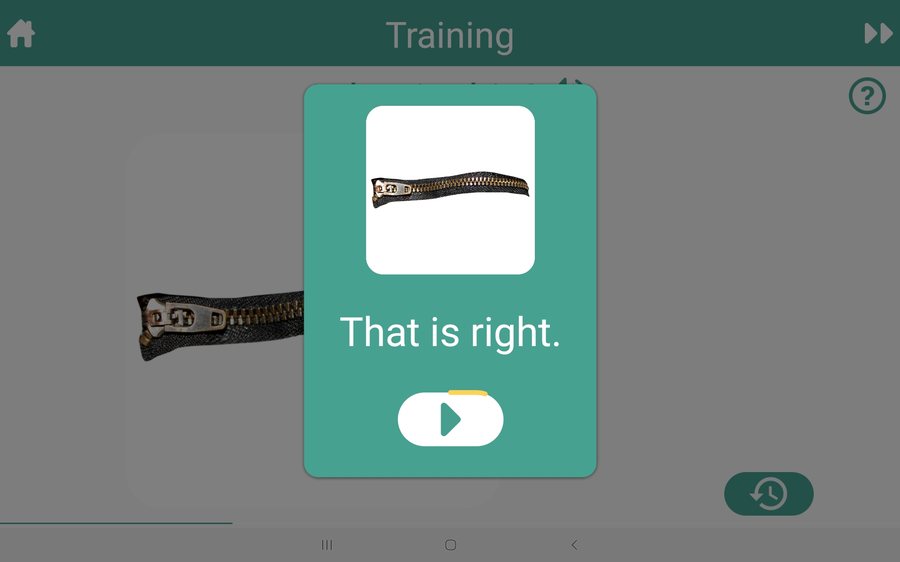
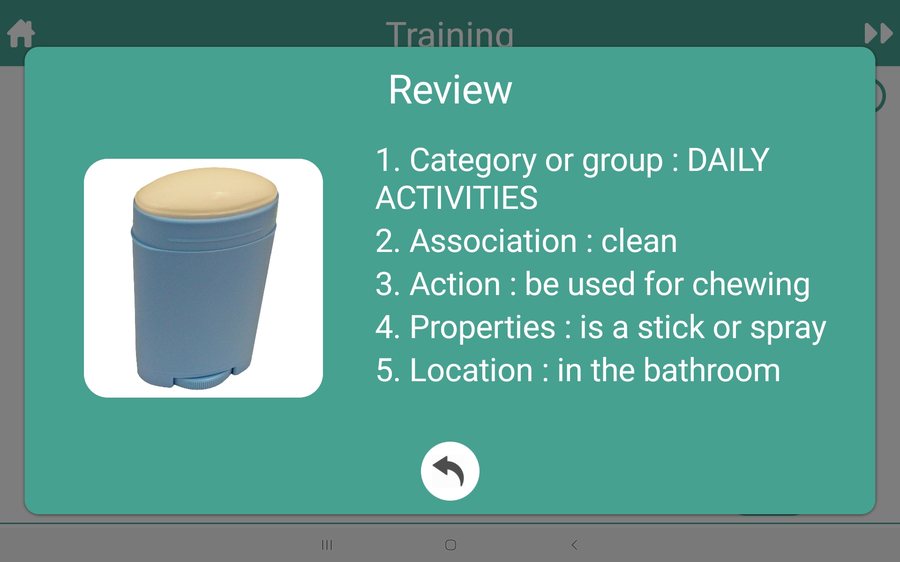
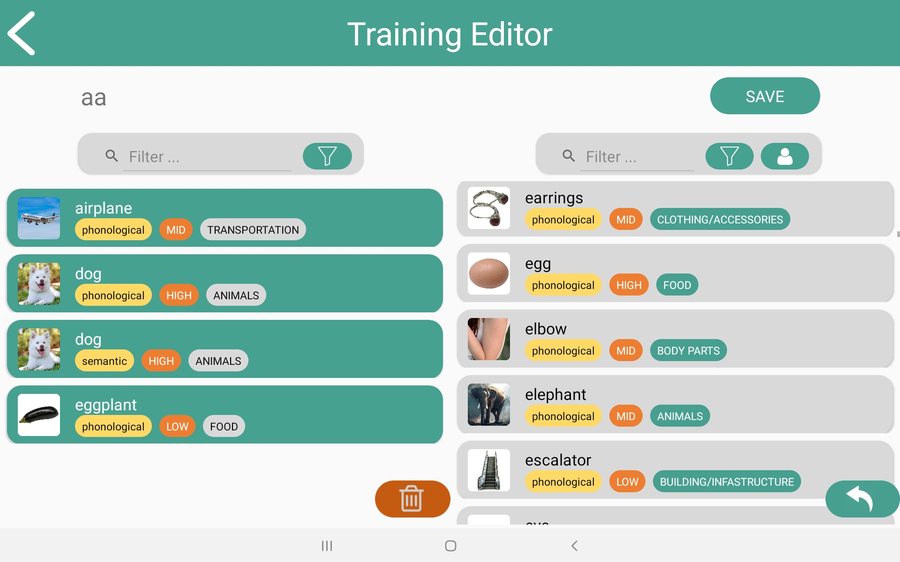
The training works on one object across several screens. Speech-sensitive technology recognises where the spoken language falls short and adapts to it; the system gives feedback on each attempt and summarises the unit at the end. The topics come from what matters to that person. Therapists have their own view: they can see the profile and tailor the training in an editor.