Silent Bed Monitor
Silent Bed Health Monitoring System
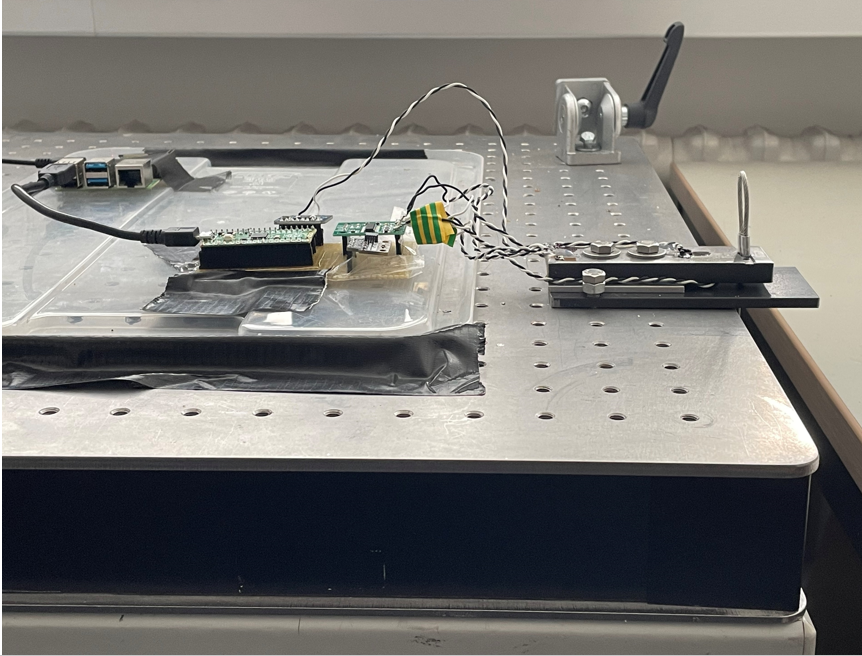
The SilentBedMonitor project aims to develop an innovative health monitoring system that integrates discreet, high-precision weight sensors into bed frames to detect even subtle changes in a patient’s weight distribution. Unlike conventional monitoring systems, SilentBedMonitor operates silently and unobtrusively, continuously gathering data without disturbing the user’s comfort. The collected measurements will be analyzed using advanced classification algorithms trained to recognize patterns that may indicate changes in a patient’s health status. This enables early detection of potential issues such as deteriorating mobility, respiratory distress, or unusual nighttime activity. The project is a collaboration between 5micron and Hochschule Hamm-Lippstadt, combining industrial expertise in sensor technology with academic research in data processing and health monitoring. 5micron is responsible for the development and integration of the sensor hardware, while Hochschule Hamm-Lippstadt focuses on algorithm design, data analysis, and classification model training. The expected outcome is a non-invasive, reliable monitoring solution that supports caregivers and family members in responding quickly and effectively to changes in the health and well-being of their loved ones.
- Funders Federal Ministry for Economic Affairs and Energy (BMWE)
- Funding program Central Innovation Program for SMEs (ZIM)
- Funding amount 0.56 Million Euro
- Duration 2025-2027
Funding


Partners

Team
- Prof. Dr.-Ing. Jan-Niklas Voigt-Antons
Project Lead - Michael Stern
Research Scientist - Ronja Bloedorn
Student Associate - Nick Westhoff
Student Associate
Intro / Project Overview
The SilentBedMonitor (SBM) is a joint research initiative developed by the Immersive Reality Lab at Hamm-Lippstadt University of Applied Sciences in collaboration with an industry partner specializing in pressure-sensitive bed sensors. The project aims to create an accessible, non-intrusive consumer system for monitoring well-being during sleep. By leveraging high-precision weight-distribution sensors embedded directly into the bed frame, the system continuously captures breathing signals, micro-movements, posture changes, coughing events, and potential indicators of falls from bed. Running from 2024 to 2026, SBM seeks to demonstrate the viability of affordable home-monitoring technology that can provide families with reliable insights into the nightly health of their loved ones.Main Goal & What the System Does
The SilentBedMonitor project addresses a growing need for easy-to-use home health monitoring without cameras, wearables, or invasive devices. Traditional solutions rely on smartwatches or optical sensors, which can be uncomfortable or imprecise for people who move frequently during sleep. SBM replaces these technologies with a silent pressure-based system that detects characteristic patterns in weight shifts and breathing rhythms. The system identifies events such as coughing episodes, irregular respiratory motion, restlessness, and potentially dangerous edge-of-bed situations. A centralized backend processes this data, flags anomalies, and prepares notifications that can be provided to the user in a simple and comprehensible format. Through sensor fusion and intelligent signal processing, SBM aims to increase safety and early detection of deviations in nightly well-being.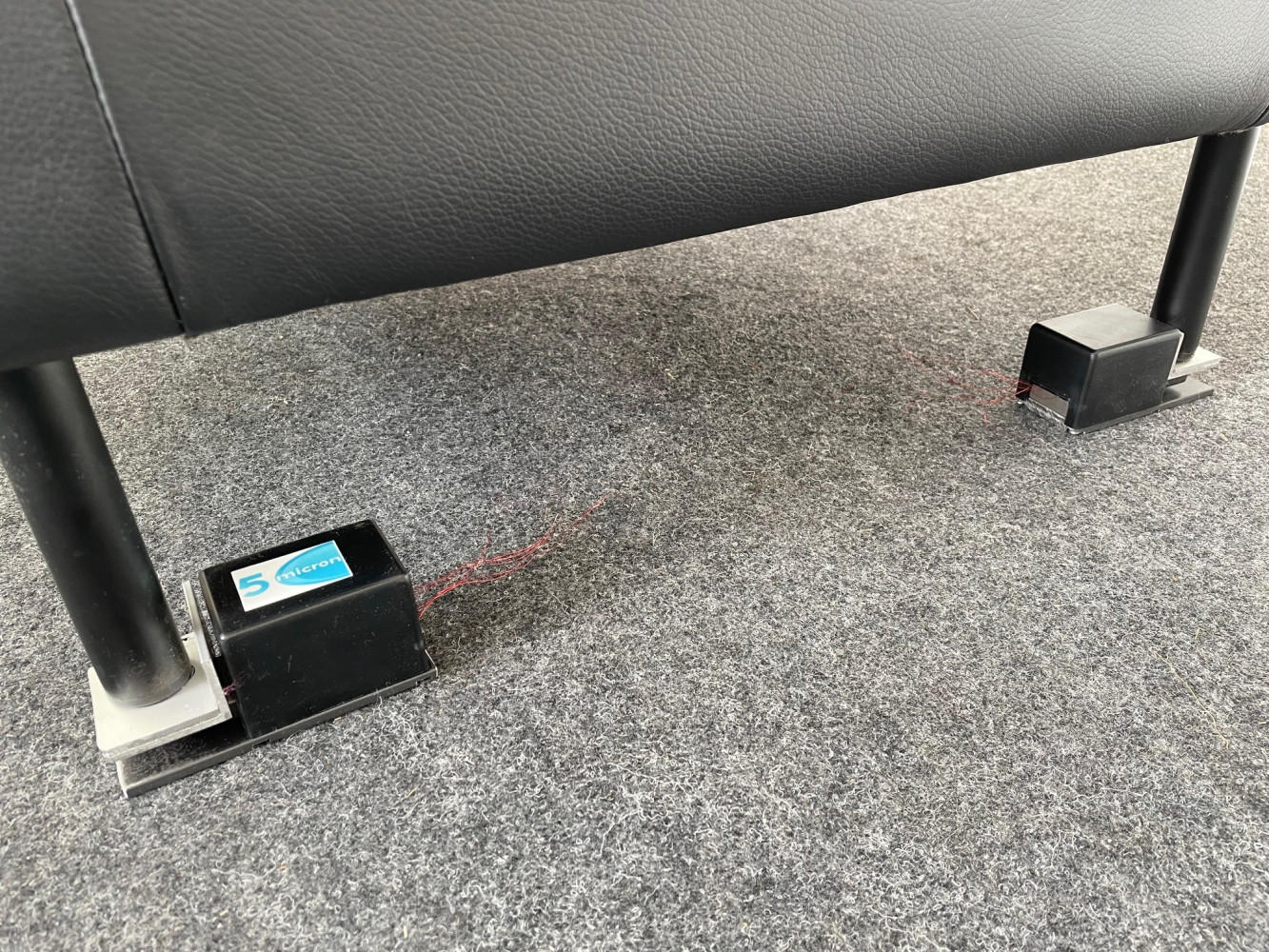
Innovation & Research Contribution
One of the core innovations of the SilentBedMonitor lies in its focus on highly robust, privacy-preserving, and user-centered data analysis. The research team collects real-world datasets from test participants to train specialized machine-learning models capable of differentiating between healthy movement patterns and irregular behaviors. Iterative prototyping is used to refine both data interpretation and system accuracy. The project also explores optimal user interaction concepts, ensuring that the output is easy to understand for families without medical expertise. By removing the need for cameras or wearables, SBM places accessibility and comfort at the forefront. Continuous learning mechanisms enable the system to adapt to individual sleeping habits, improving precision over time and ensuring that critical changes in nightly activity are detected early and reliably.