PflegeTab
Technology for More Quality of Life Despite Dementia Care Needs
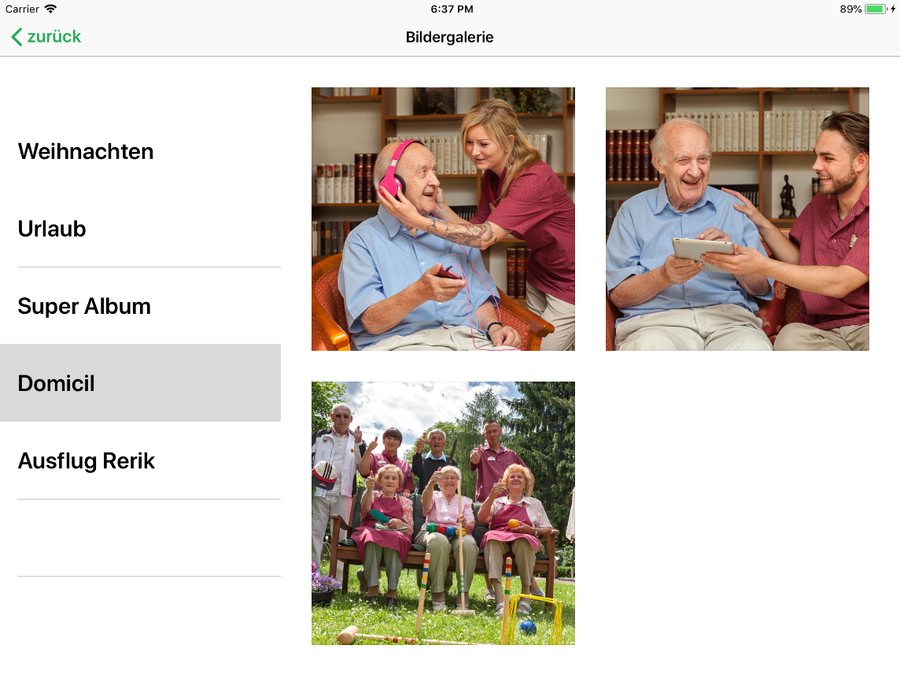
The aim of the project is to develop a transferable model for technology-supported care and activation, and to scientifically evaluate the use of PflegeTab. The main motivation of the project is to enable caregivers and people with dementia to benefit from the advantages of the mobile revolution and to optimally support them through the use of lightweight and cost-effective technologies. This is intended to improve the quality of life of nursing home residents with dementia. The main objective of this project is therefore to combine novel technologies and innovative care concepts in such a way that their interaction contributes to care, the compensation of physical or cognitive deficits, social-communicative inclusion, increased mobility, self-determined participation, and the safety of people in need of care and those with dementia. Specifically, the research project aims to create an infrastructure that integrates all those involved in care and networks them using easily and cost-effectively deployable hardware and software to ensure efficient support of the care process. This infrastructure consists of a software platform that collects and provides information about care recipients, tablet computers for promoting the well-being of care recipients equipped with special software, as well as additional tablet computers for informing caregivers and networking those involved in care. The project results will culminate in a system (software and hardware) developed and implemented in close cooperation between caregivers, care recipients, and care service providers. Further information can be found on the website (www.pflegetab.de). The pilot project will create an integrated system for the care sector based on tablet computers and specially developed software, which: 1) promotes care recipients, especially those with dementia, using playful approaches tailored to their abilities and alternative interaction methods, and enables institutionalized patients to participate in family life as much as possible (e.g., through shared photo albums, video calls, etc.), 2) adapts the applications used to the abilities and current condition of the care recipient (including by capturing physiological data), 3) evaluates and documents the progress made in care according to established neuropsychological and geriatric criteria, 4) informs caregivers about the current condition of the care recipient, and 5) provides caregivers with guidance on support options.
- Funders National Association of Statutory Health Insurance Funds (GKV-Spitzenverband)
- Funding amount 304k Euro
- Duration 02/2015 - 03/2018
Funding
Partners

Team
- Prof. Dr.-Ing. Jan-Niklas Voigt-Antons
Project Lead
Inside the application
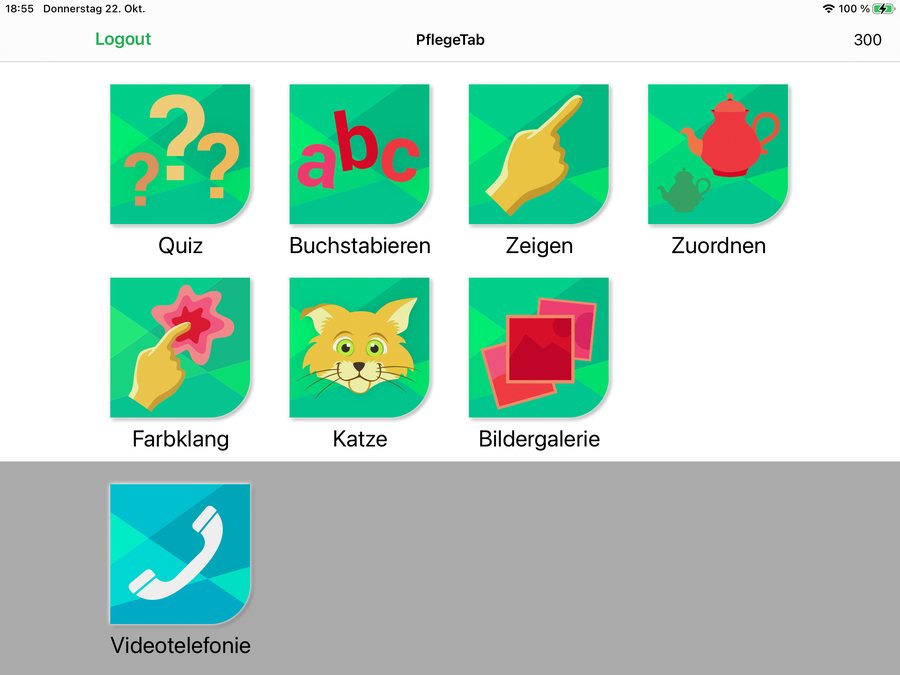
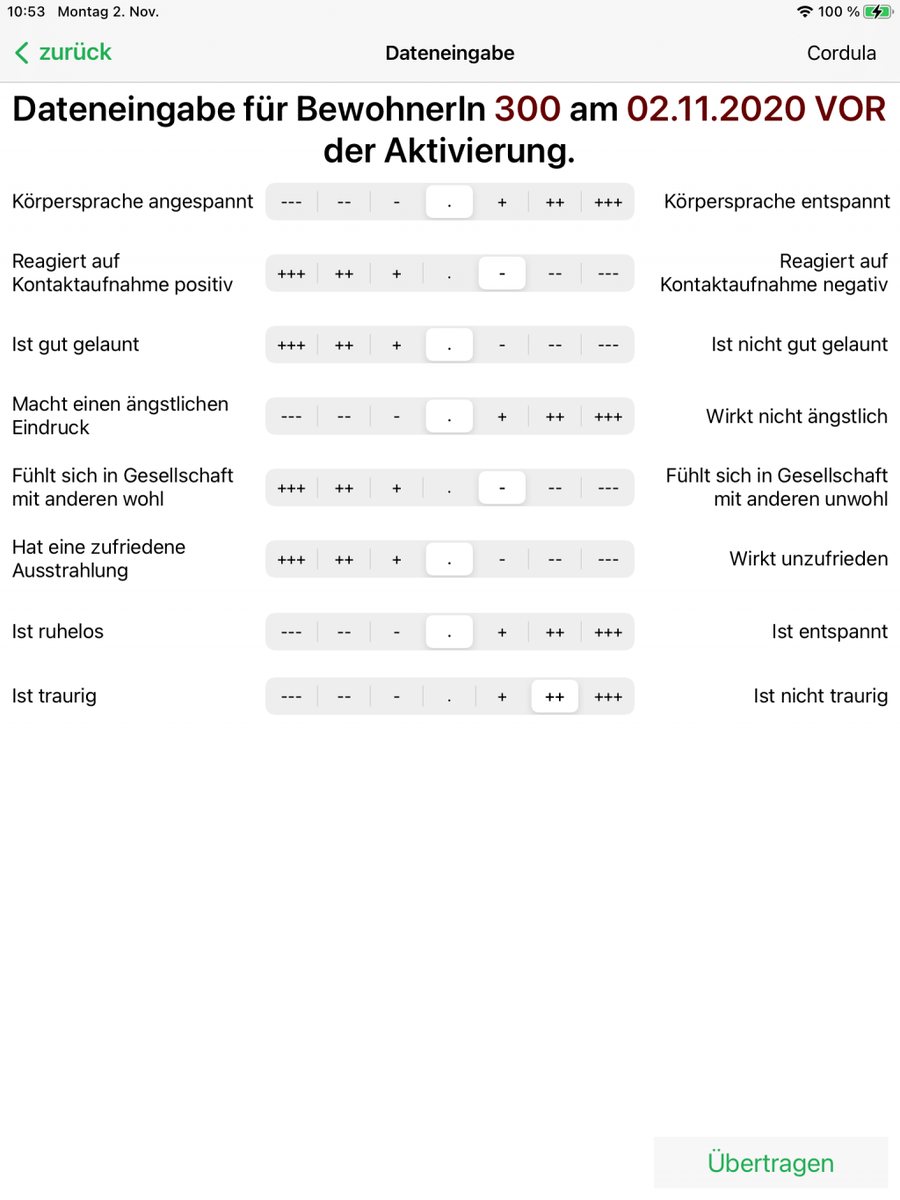
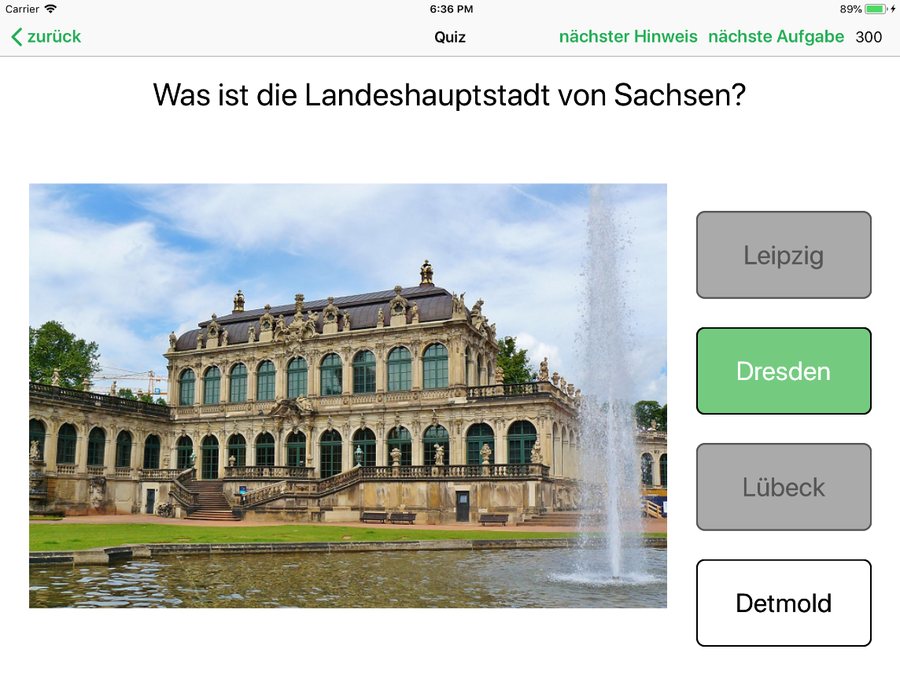
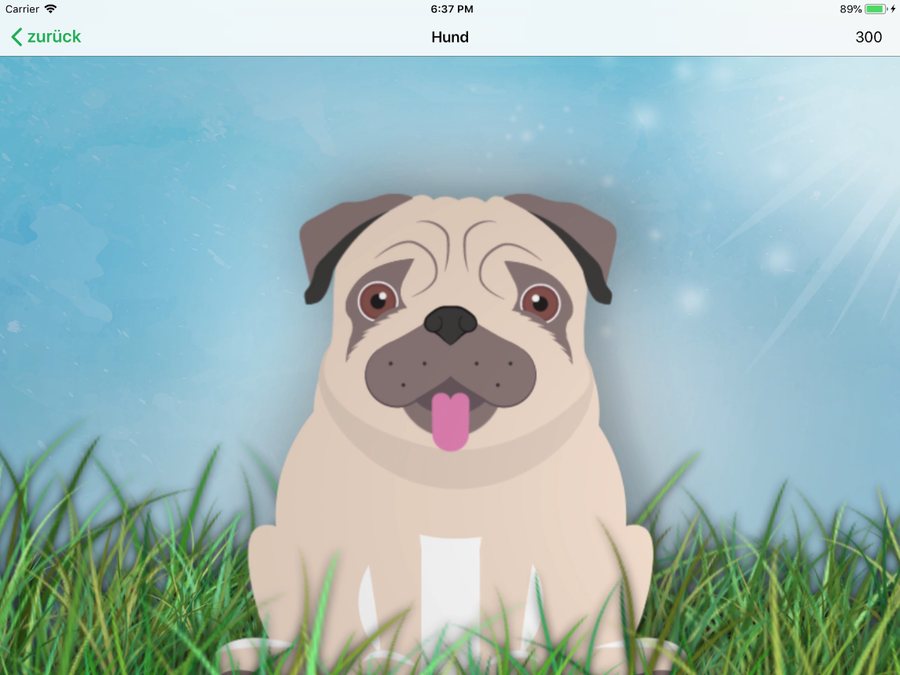
Each resident has their own login. Before an activity, staff record how the resident is doing; the same values are recorded again afterwards, which is what makes the effect measurable. The six games activate in different ways — cognitively through the quiz and spelling, emotionally through an animated animal that reacts to touch, and biographically through a photo album filled with the resident’s own family pictures.